

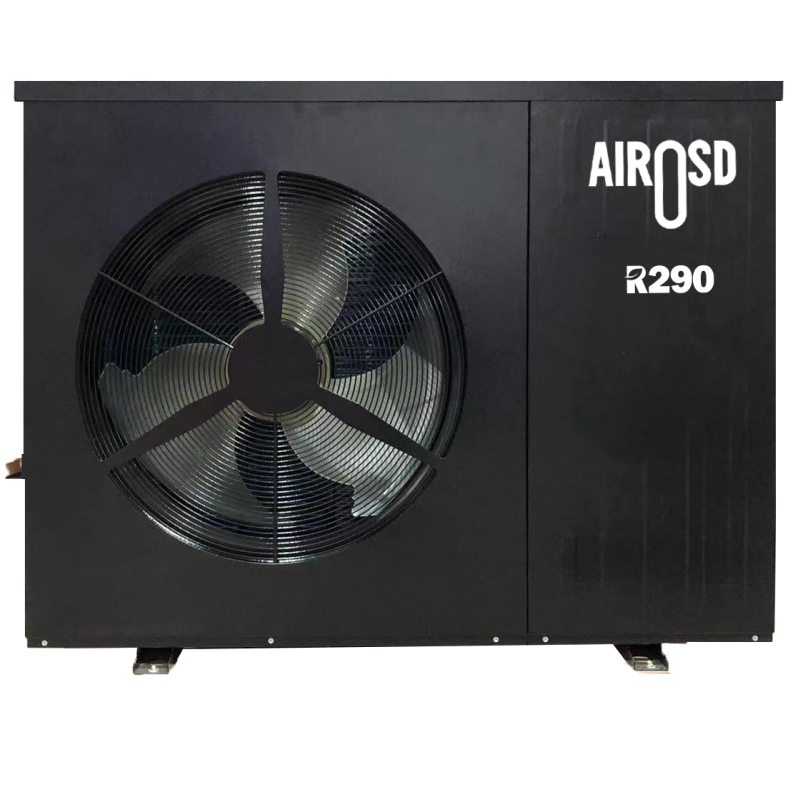
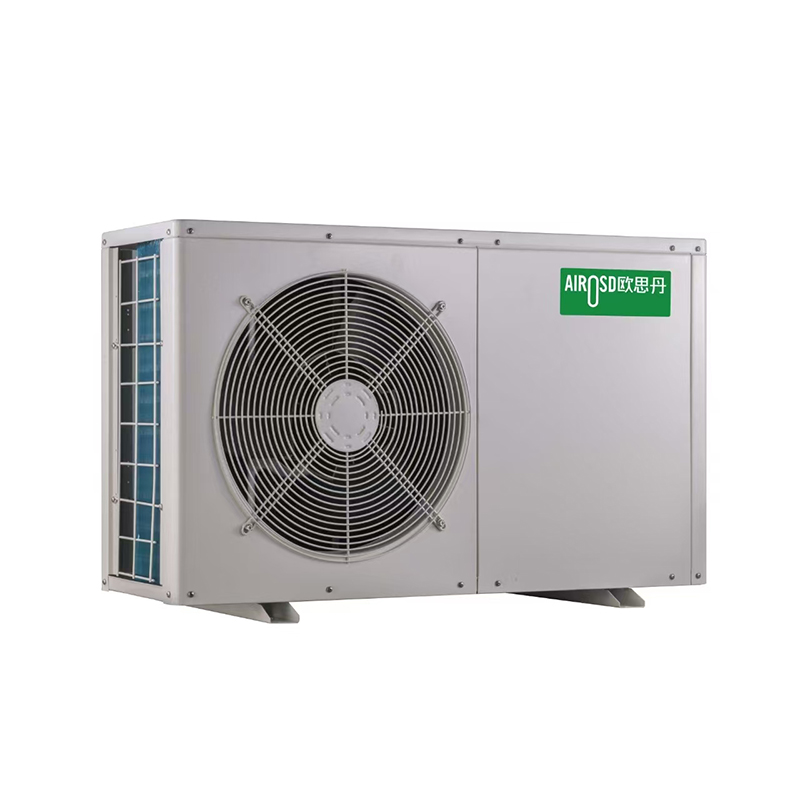
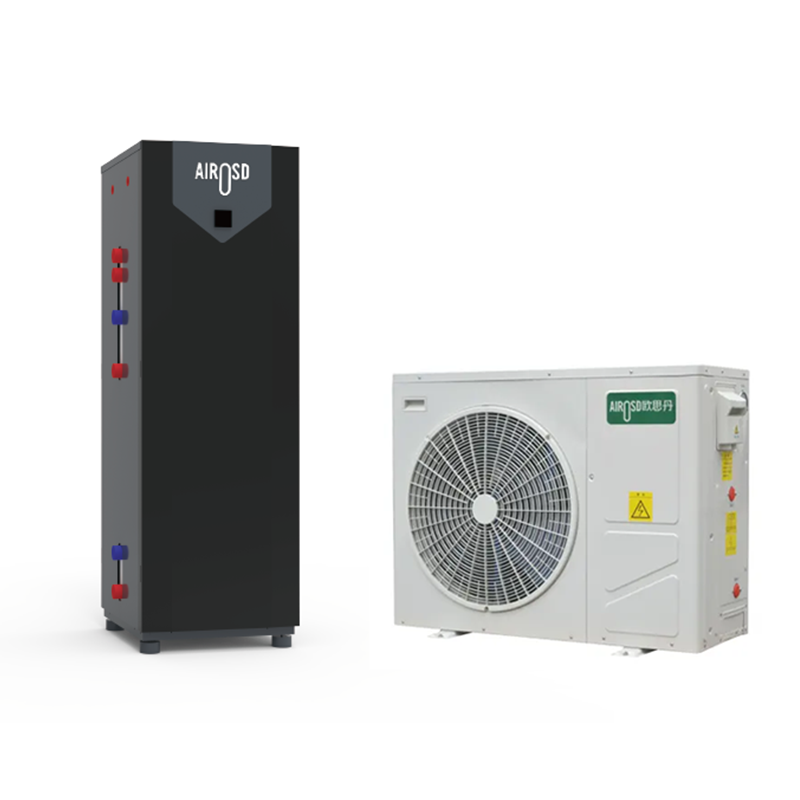
Air Source Heat Pump Triple Heating Pump Technology: Pioneering the Energy-saving Revolution
As the global energy crisis and climate change challenges intensify, energy conservation and emission reduction have become critical priorities for countries worldwide. In this context, the air source heat pump has emerged as a highly efficient and environmentally friendly solution for modern energy utilization. Relying on advanced heat pump technology, the air source heat pump is rapidly gaining global recognition and driving a new energy-saving revolution.
In particular, the development of the triple heating pump system has further accelerated this transformation. By integrating heating, cooling, and domestic hot water into one system, the triple heating pump optimizes energy use across all seasons. Through the coordinated operation of the air source heat pump, heating heat pump, cooling heat pump, and advanced heat pump technology, buildings can achieve higher efficiency, lower emissions, and long-term sustainability.
1. Air Source Heat Pump: The Cornerstone of the Energy-saving Revolution
The air source heat pump is based on the reverse Carnot cycle and represents a mature application of heat pump technology. It extracts low-grade thermal energy from ambient air and upgrades it into usable high-grade heat through compression and heat exchange. With minimal electricity input, an air source heat pump can deliver three to four times the energy it consumes.
Because the air source heat pump does not rely on combustion, it significantly reduces dependence on fossil fuels and lowers carbon emissions. Continuous innovation in heat pump technology has enhanced low-temperature performance, allowing modern air source heat pumps to operate reliably even in cold climates. As a result, the air source heat pump has become a fundamental component of energy-efficient buildings and low-carbon infrastructure.
2. Triple Heating Pump: Integrated Innovation for All-season Energy Use
The triple heating pump is an advanced system developed on the basis of the air source heat pump and modern heat pump technology. It integrates three core functions—space heating, space cooling, and domestic hot water—into a single intelligent system.
In winter, the triple heating pump operates as a heating heat pump, extracting heat from the air to provide stable indoor warmth. In summer, the same system functions as a cooling heat pump, transferring indoor heat outdoors to maintain thermal comfort. Throughout the year, the triple heating pump continuously supplies hot water, maximizing the utilization efficiency of the air source heat pump.
By eliminating separate heating, cooling, and hot water systems, the triple heating pump reduces energy losses and improves overall system efficiency. This integrated design showcases the full potential of heat pump technology and makes the triple heating pump ideal for residential, commercial, and industrial applications.
3. Heating Heat Pump: A Clean and Efficient Winter Solution
Within the triple heating pump system, the heating heat pump plays a vital role during cold seasons. Compared with traditional boilers or electric heaters, a heating heat pump powered by an air source heat pump can achieve energy savings of 30%–50%.
The heating heat pump extracts renewable thermal energy from outdoor air instead of burning fuel, resulting in zero on-site emissions. Thanks to ongoing advancements in heat pump technology, modern heating heat pumps maintain high efficiency and operational stability even in extreme winter conditions.
As governments promote low-carbon heating solutions, the heating heat pump driven by the air source heat pump is increasingly replacing conventional heating systems, accelerating the green transformation of the heating sector.
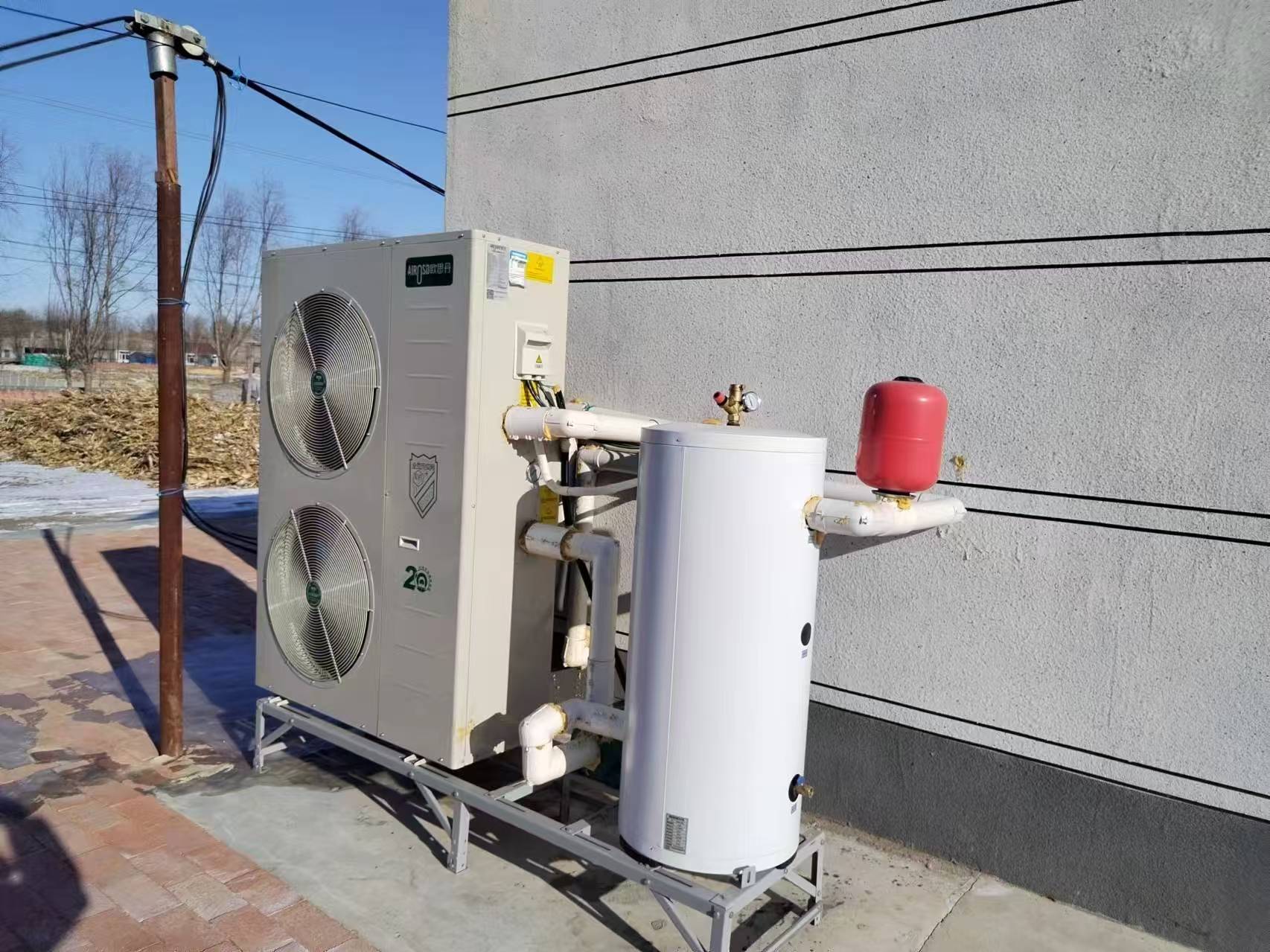
4. Cooling Heat Pump: High-efficiency Comfort for Hot Seasons
During summer operation, the triple heating pump seamlessly switches to cooling mode. In this mode, the air source heat pump functions as a cooling heat pump, absorbing indoor heat and releasing it outdoors.
Compared with traditional air conditioners, a cooling heat pump based on advanced heat pump technology can reduce energy consumption by 20%–40%. Cooling heat pumps also offer lower noise levels, longer service life, and improved environmental performance.
Through intelligent control algorithms embedded in heat pump technology, the cooling heat pump automatically adjusts capacity according to real-time demand, ensuring comfort while maximizing efficiency. As a result, air source heat pump-based cooling heat pumps have become a standard solution for green buildings and smart energy systems.
5. Heat Pump Technology: The Driving Force Behind System Innovation
Heat pump technology is the foundation enabling the development of the air source heat pump, triple heating pump, heating heat pump, and cooling heat pump. In recent years, breakthroughs in compressors, heat exchangers, inverter control, and system integration have significantly enhanced overall performance.
Advanced heat pump technology allows systems to dynamically adjust output based on load conditions, reducing unnecessary energy consumption. Smart control systems further improve the coordination efficiency of the triple heating pump, ensuring optimal operation across all seasons.
As a multidisciplinary field, heat pump technology integrates thermodynamics, automation, electronics, and materials science, continuously pushing the boundaries of energy efficiency and sustainability.
6. Energy-saving Performance and Environmental Impact
The integrated design of the air source heat pump triple heating pump system delivers remarkable energy-saving benefits. Buildings equipped with triple heating pumps typically achieve 40%–60% reductions in annual energy consumption.
From an environmental perspective, air source heat pumps significantly reduce carbon emissions by minimizing fossil fuel use. A single heating heat pump can cut several tons of CO₂ emissions annually, while cooling heat pumps using environmentally friendly refrigerants help protect the ozone layer.
Through the widespread application of heat pump technology, air source heat pumps and triple heating pumps are becoming essential tools in global carbon-neutral strategies.
7. Applications and Future Development Trends
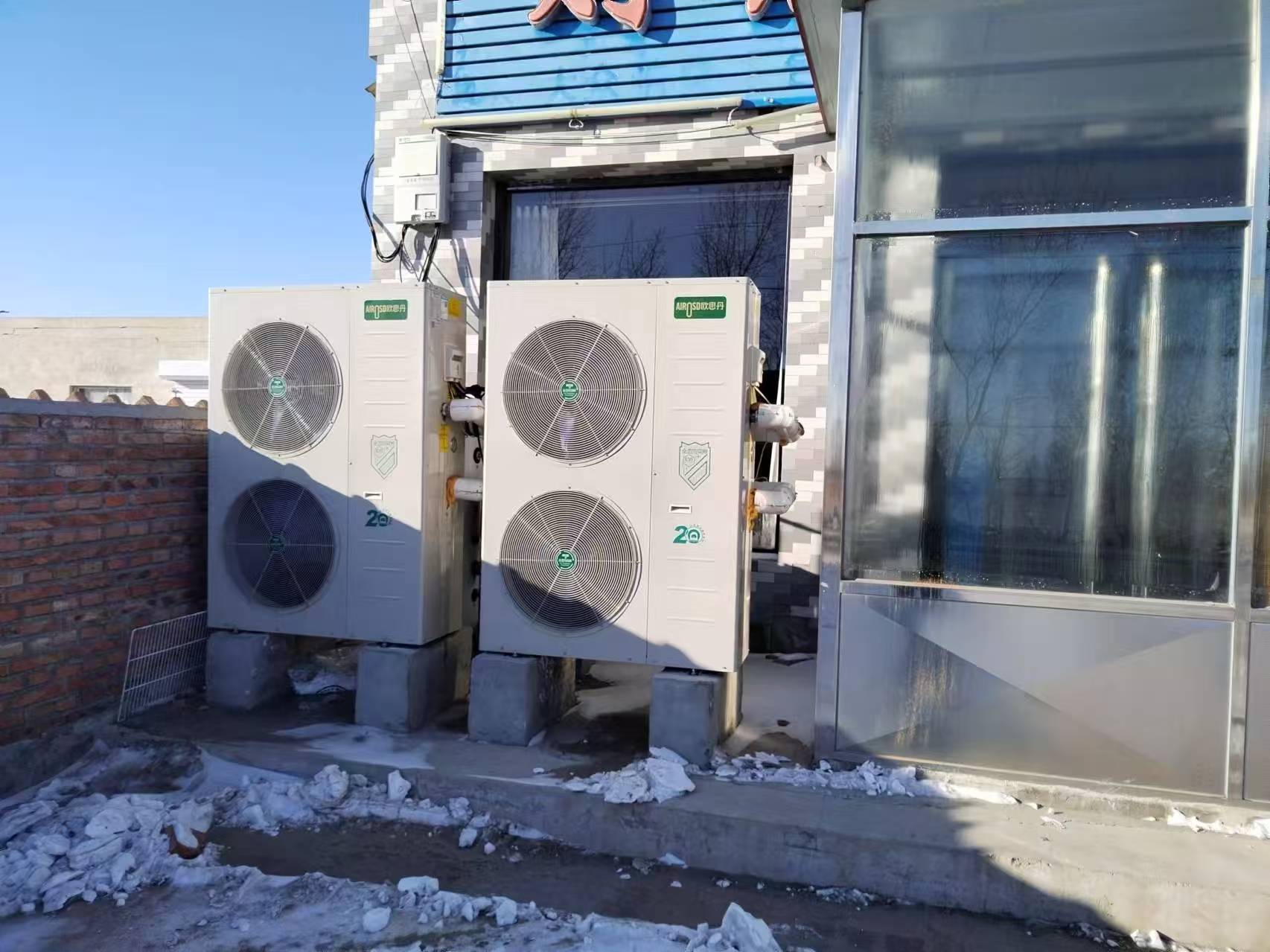
Worldwide, air source heat pump triple heating pump systems are already widely used in residential communities, commercial buildings, hospitals, hotels, and schools. In these applications, heating heat pumps and cooling heat pumps work together to deliver stable comfort with reduced energy costs.
Looking ahead, continued policy support and technological progress will accelerate the adoption of air source heat pumps. Future heat pump technology will focus on intelligence, digital control, and integration with renewable energy sources such as solar power and energy storage. Triple heating pumps may evolve into core components of smart micro-energy networks.
Although challenges such as initial investment and extreme climate adaptability remain, ongoing innovation in heat pump technology will steadily overcome these barriers.
Conclusion
In conclusion, air source heat pump triple heating pump technology is driving a powerful global energy-saving revolution. By combining the strengths of the air source heat pump, heating heat pump, cooling heat pump, and advanced heat pump technology, the triple heating pump delivers high efficiency, low emissions, and all-season comfort.
From theoretical principles to real-world applications, air source heat pumps and triple heating pumps provide a practical and scalable path toward sustainable development. As heat pump technology continues to evolve, this energy-saving revolution will reshape the future of buildings and energy systems. Embracing the air source heat pump means embracing a cleaner, more efficient, and more sustainable tomorrow.
