

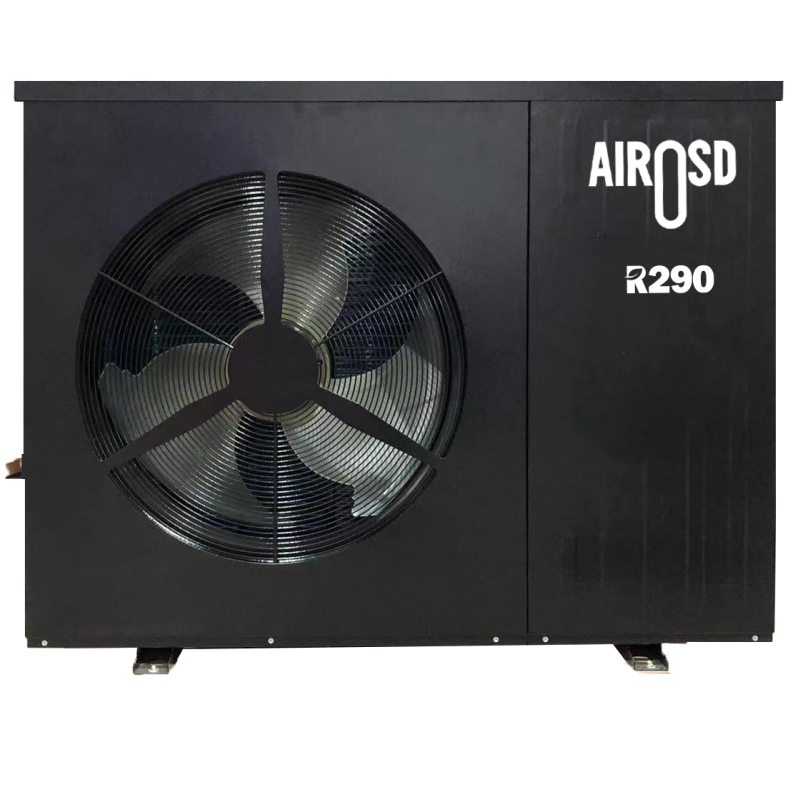
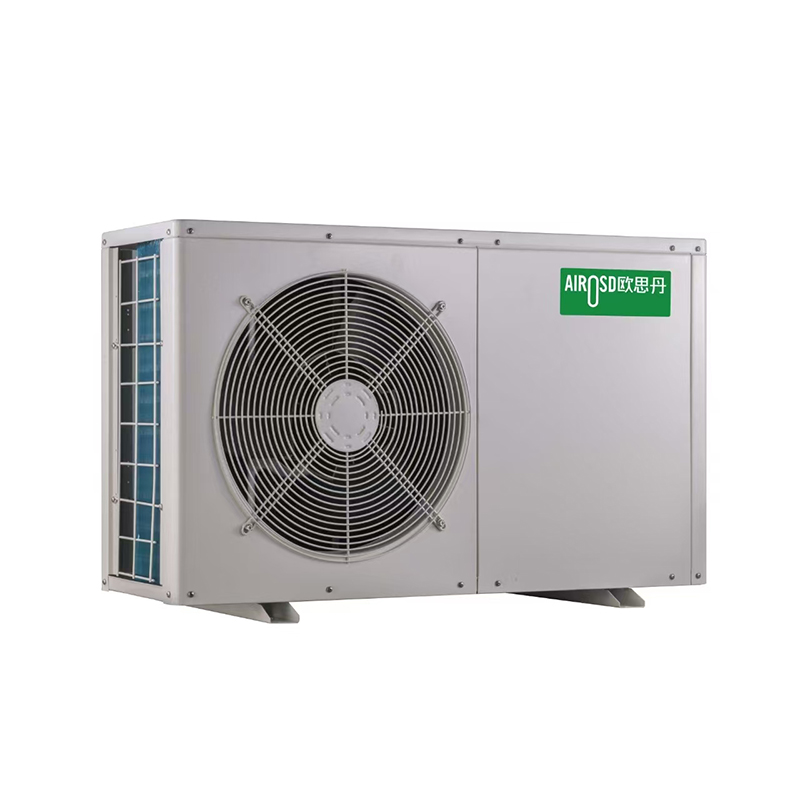
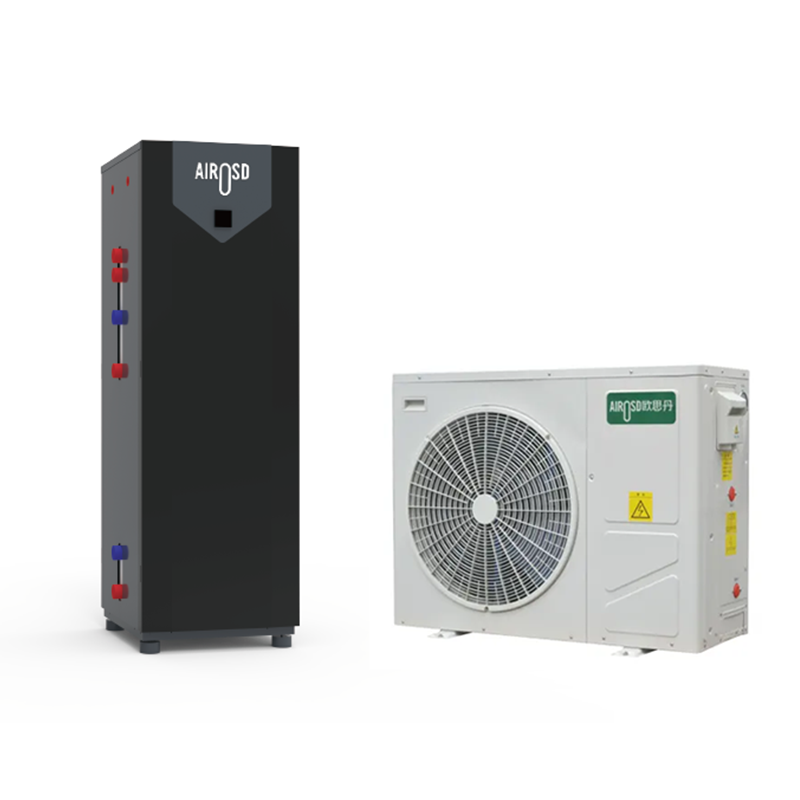
In a world where energy efficiency is increasingly important, people are searching for smarter and cleaner ways to stay warm in winter and cool in summer. Heating and cooling heat pumps offer a remarkable solution. Instead of producing heat directly like traditional boilers or electric heaters, heating and cooling heat pumps “borrow” low-grade heat from the environment and transfer it indoors. With only a small amount of electricity, heating and cooling heat pumps can deliver several times more usable heat energy than the electricity they consume. This is why heating and cooling heat pumps are widely used in homes, offices, hotels and factories around the world.
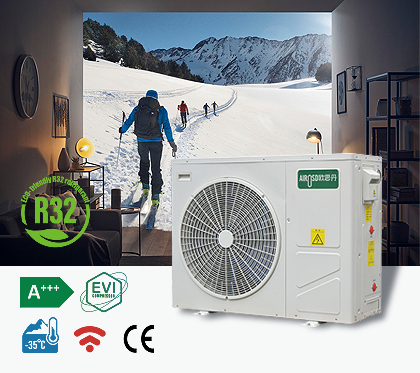
The core philosophy behind heating and cooling heat pumps is simple but powerful: they move heat rather than generate it. Traditional heating systems convert fuel or electricity directly into heat, meaning their efficiency is naturally limited. Heating and cooling heat pumps, however, extract heat from outdoor air, the ground or water, and then deliver it indoors through a closed-loop refrigeration cycle. Among them, Air source heat pumps take heat from the air, while Ground source heat pumps obtain heat from the stable temperature stored in the soil or underground water. No matter the source, heating and cooling heat pumps act like efficient energy transporters, not energy creators.
This energy transfer process relies on a cycle of evaporation, compression, condensation and expansion. In Air source heat pumps, the refrigerant absorbs heat from outdoor air and evaporates at low temperature. A compressor then raises its temperature and pressure, allowing the refrigerant to release heat indoors. Ground source heat pumps use the same cycle, but heat exchange takes place underground where temperatures remain steady through the year. Because the temperature difference is smaller, Ground source heat pumps often achieve even higher efficiency than Air source heat pumps. This is why Ground source heat pumps are popular in high-performance buildings where long-term stability is essential.
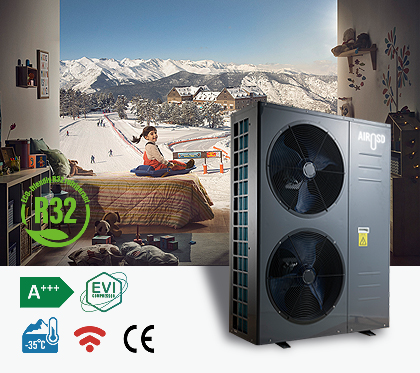
Heating and cooling heat pumps are not limited to indoor climate control. They have also evolved into specialized systems such as Hot water heat pumps and Swimming pool heat pumps. Hot water heat pumps extract heat from surrounding air and transfer it into domestic water tanks, providing reliable hot water while using far less electricity than traditional heaters. In hotels, residences, hospitals and gyms, Hot water heat pumps help reduce energy bills while maintaining comfortable water temperatures. Meanwhile, Swimming pool heat pumps are engineered to maintain pleasant swimming water temperature throughout the year. Compared with direct electric or gas heating, Swimming pool heat pumps consume significantly less energy, making them ideal for both private and commercial pools.
The outstanding advantage of Heating and cooling heat pumps, Hot water heat pumps, Swimming pool heat pumps, Ground source heat pumps and Air source heat pumps lies in their Coefficient of Performance (COP). A COP of 3 means the unit provides three units of heat for every unit of electricity consumed. Modern Air source heat pumps can easily reach COP values of 3–4 under suitable conditions. Ground source heat pumps may achieve even higher COP levels due to the stable underground environment. This is why Heating and cooling heat pumps and Hot water heat pumps are becoming leading technologies in sustainable building design.
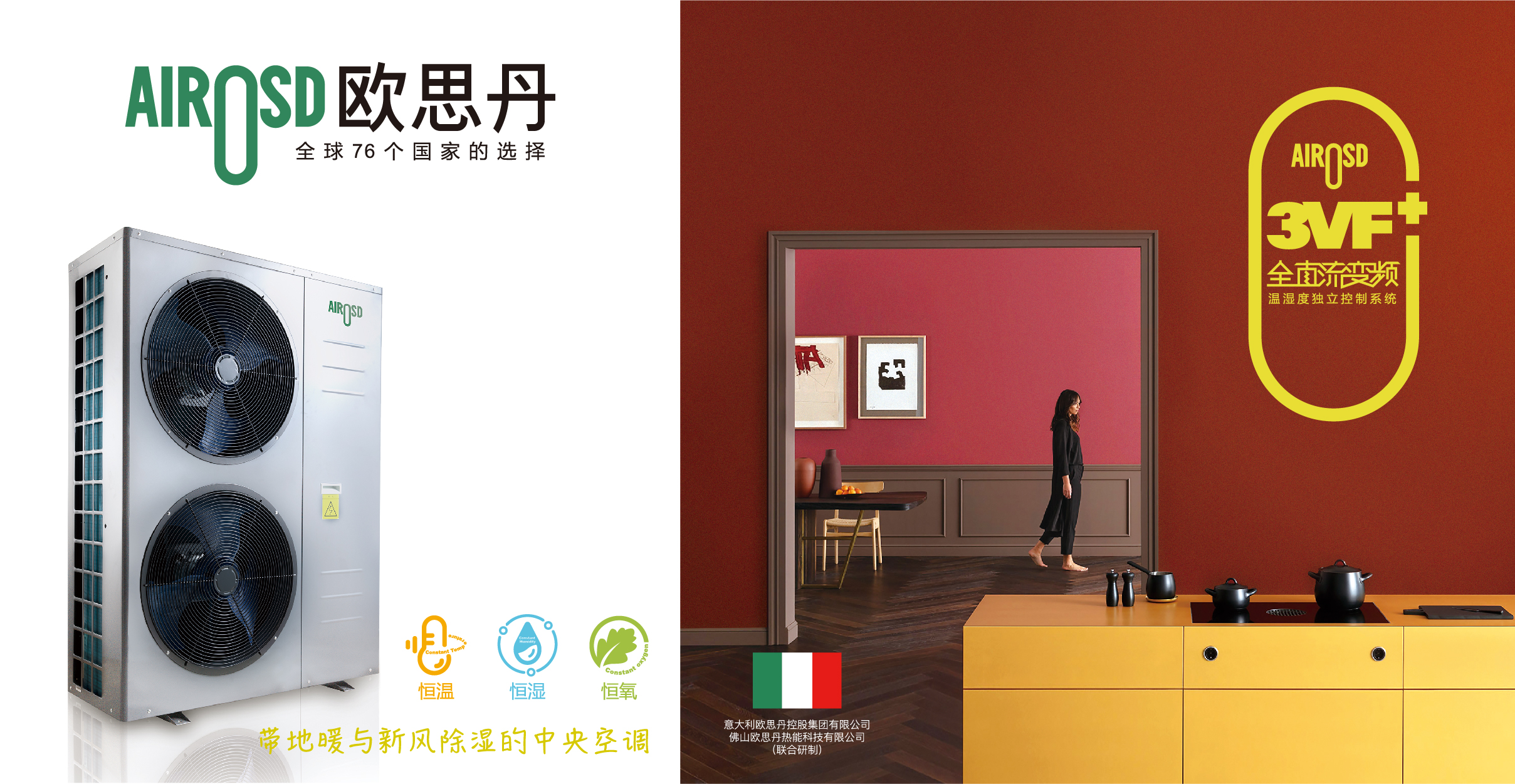
To maximize performance, system optimization is essential. Heating and cooling heat pumps perform best when paired with low-temperature heat distribution systems such as floor heating or fan coils. Hot water heat pumps benefit from well-insulated storage tanks, while Swimming pool heat pumps require proper pool insulation and cover systems. Modern inverter-driven Air source heat pumps can automatically adjust output according to demand, improving seasonal performance. Smart control systems further enhance comfort and efficiency by coordinating Heating and cooling heat pumps, Hot water heat pumps and even Swimming pool heat pumps in one integrated solution.
Ultimately, the success of Heating and cooling heat pumps reflects the clever use of natural thermal energy. By transferring rather than burning energy, Heating and cooling heat pumps open the door to cleaner heating and cooling. Whether through Air source heat pumps drawing heat from outdoor air, Ground source heat pumps tapping into underground warmth, Hot water heat pumps supplying daily hot water, or Swimming pool heat pumps creating comfortable leisure environments, heat pump technology is changing the way the world experiences energy and comfort.
