


Definition and Value of Domestic Hot Water (DHW)
Domestic Hot Water (DHW) refers to the hot water supply used in residential and commercial buildings for bathing, cleaning, and auxiliary heating purposes. A stable and efficient DHW system is essential for ensuring comfort, hygiene, and daily functionality. Whether in households, hotels, hospitals, or public facilities, the reliability and efficiency of the hot water supply directly impact user experience and operational standards. Optimizing a DHW system not only reduces energy consumption but also supports low-carbon development goals.
Energy Efficiency Advantages of Heat Pump Technology
Modern heat pump systems provide a highly efficient solution for DHW applications. Unlike traditional heating methods that generate heat, a heat pump system transfers heat from low-grade sources such as air, water, or ground through a thermodynamic cycle. This process allows the system to deliver 3 to 5 times more thermal energy per unit of electricity consumed, with a coefficient of performance (COP) typically above 3.
Compared with electric heaters or gas boilers, a heat pump system significantly lowers operating costs and reduces carbon emissions, making it an ideal choice for sustainable buildings.
Air Source Heat Pump for DHW Applications
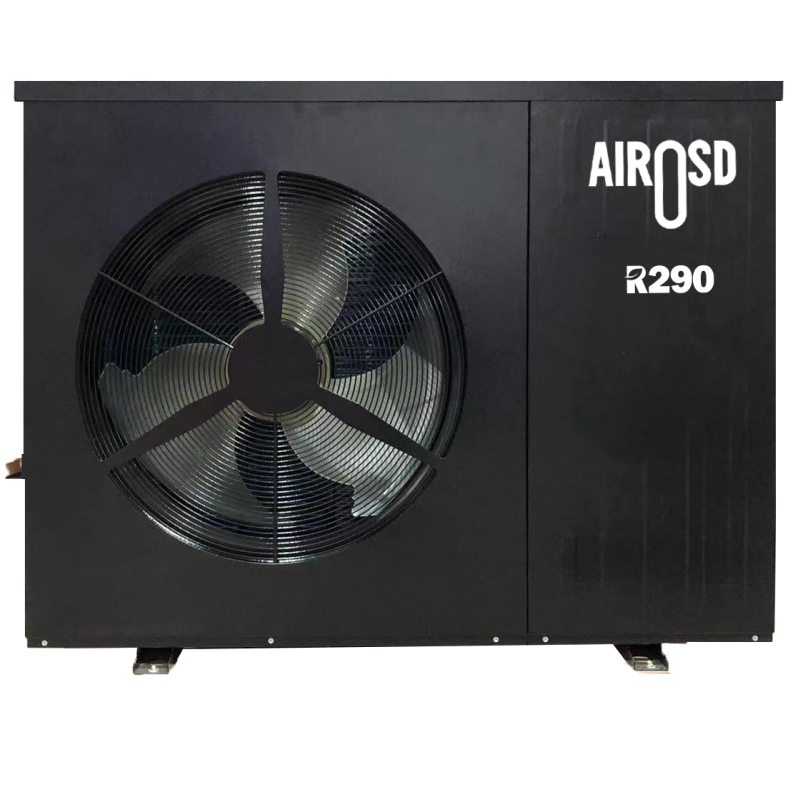
Among various solutions, the Air source heat pump is widely recognized as the most flexible and practical option for DHW systems. An Air source heat pump extracts heat from ambient air and can operate efficiently even in low-temperature environments.
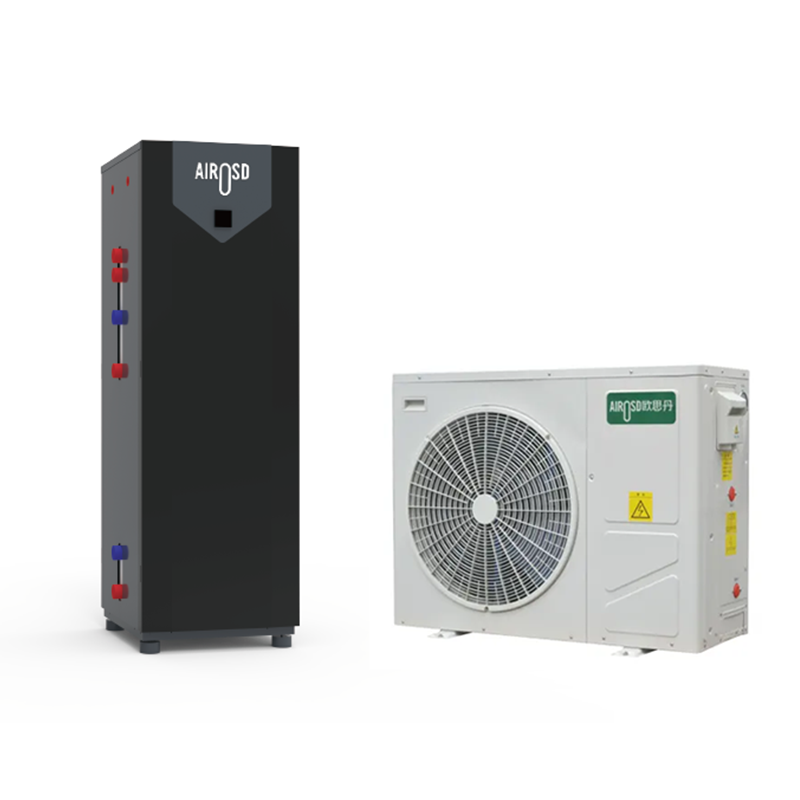
When integrated with storage tanks, an Air source heat pump can meet centralized hot water demands in residential buildings, schools, and hotels. In colder regions, advanced technologies ensure that the Air source heat pump maintains stable performance, making it a reliable solution across different climates.
Integrated Heating and Cooling Heat Pump Systems
For buildings requiring both space conditioning and hot water, the heating and cooling heat pump offers a multifunctional solution. A heating and cooling heat pump can provide space heating in winter, cooling in summer, and domestic hot water throughout the year.
During cooling operation, the heating and cooling heat pump can recover waste heat to produce hot water at almost no additional energy cost. This significantly improves overall system efficiency. By integrating air conditioning, floor heating, and DHW supply, the heating and cooling heat pump reduces installation costs and saves space, making it ideal for villas, commercial buildings, and high-end residential projects.
Hot Water Heat Pump for Dedicated Applications
A hot water heat pump is specifically designed for DHW production, focusing on high outlet temperature and stable operation. A hot water heat pump can typically deliver water temperatures between 55°C and 75°C, even under ambient conditions ranging from -15°C to 45°C.
In high-demand scenarios such as hotels, hospitals, and dormitories, a hot water heat pump combined with large storage tanks ensures continuous supply during peak usage. This configuration reduces compressor cycling, extends equipment lifespan, and improves overall energy efficiency.
DHW Heat Pump and Intelligent Control
A DHW heat pump is optimized to match real-life water usage patterns. Equipped with intelligent control systems, a DHW heat pump can automatically adjust compressor speed and water flow based on demand, temperature, and time schedules.
In residential applications, a DHW heat pump often replaces traditional electric or gas water heaters, reducing energy consumption by up to 60%. In commercial systems, modular DHW heat pump units provide scalability and redundancy, ensuring uninterrupted hot water supply.
Application Scenarios and Performance
The Air source heat pump performs exceptionally well in mild climates, achieving an average COP above 3.5. In colder regions, enhanced technologies allow the Air source heat pump to maintain efficiency even at low temperatures.
The heating and cooling heat pump is widely used in projects requiring integrated solutions for heating, cooling, and DHW. Meanwhile, the hot water heat pump has become a standard configuration in large-scale facilities such as hotels and hospitals.
Economic and Environmental Benefits
Although the initial investment of a heat pump system is higher than traditional systems, the long-term savings are significant. A heat pump system can reduce operating costs by 40% to 60%, with a typical payback period of 3 to 6 years.
From an environmental perspective, replacing conventional systems with a DHW heat pump eliminates on-site combustion emissions. Each installation can reduce carbon emissions by 1–2 tons annually, contributing directly to carbon neutrality goals.
Conclusion
In conclusion, technologies such as the Air source heat pump, hot water heat pump, heat pump system, heating and cooling heat pump, and DHW heat pump provide diverse and efficient solutions for modern DHW applications. By selecting the appropriate configuration based on climate, building type, and usage patterns, users can achieve optimal performance, energy savings, and environmental benefits.
With continuous technological advancements, the heat pump system is evolving from a simple hot water solution into a key component of smart energy systems, driving the transition toward sustainable and energy-efficient buildings.
