

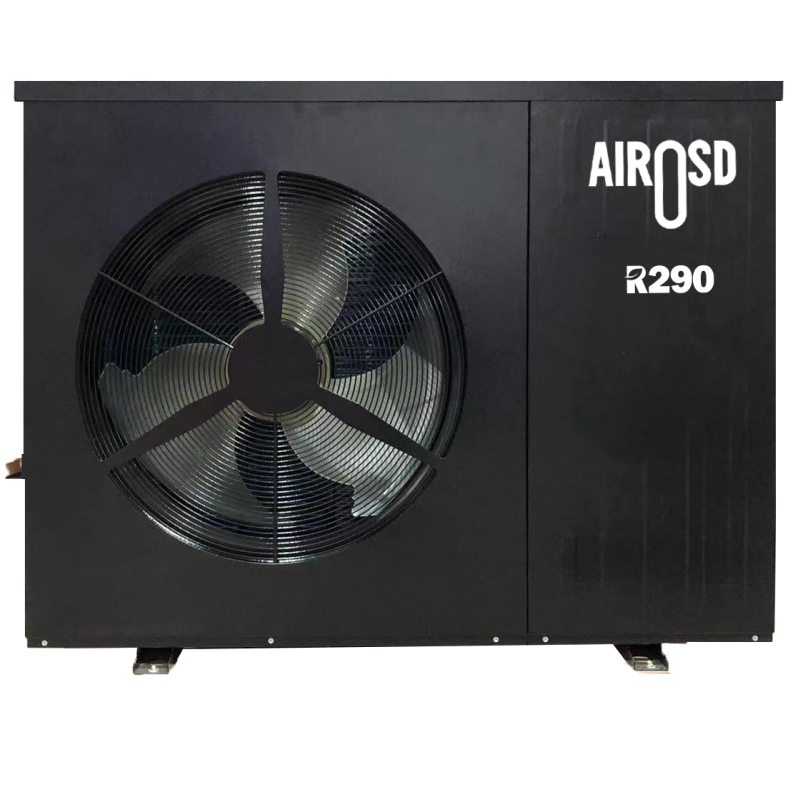
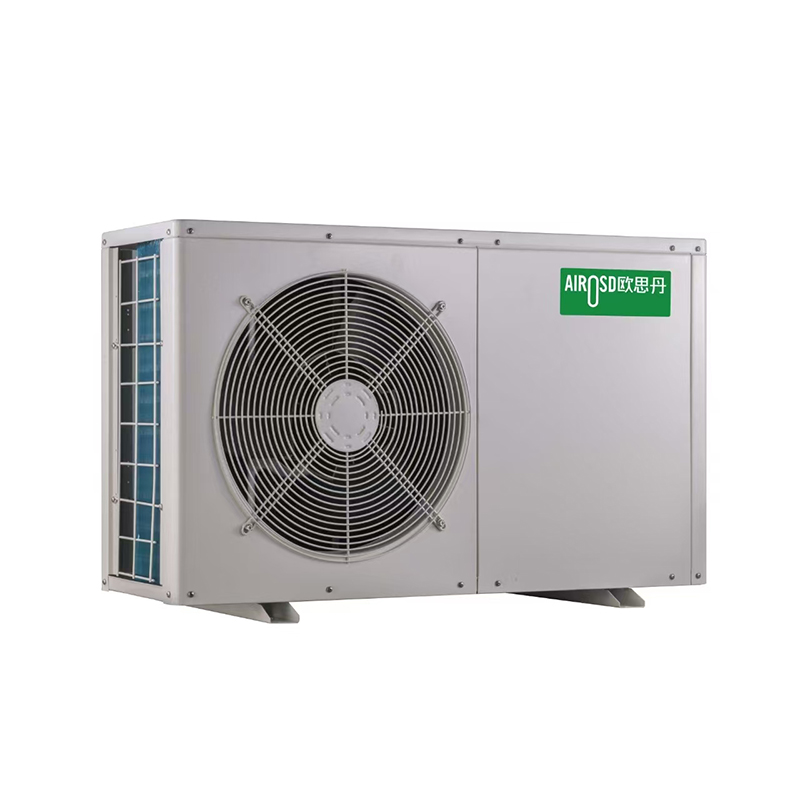
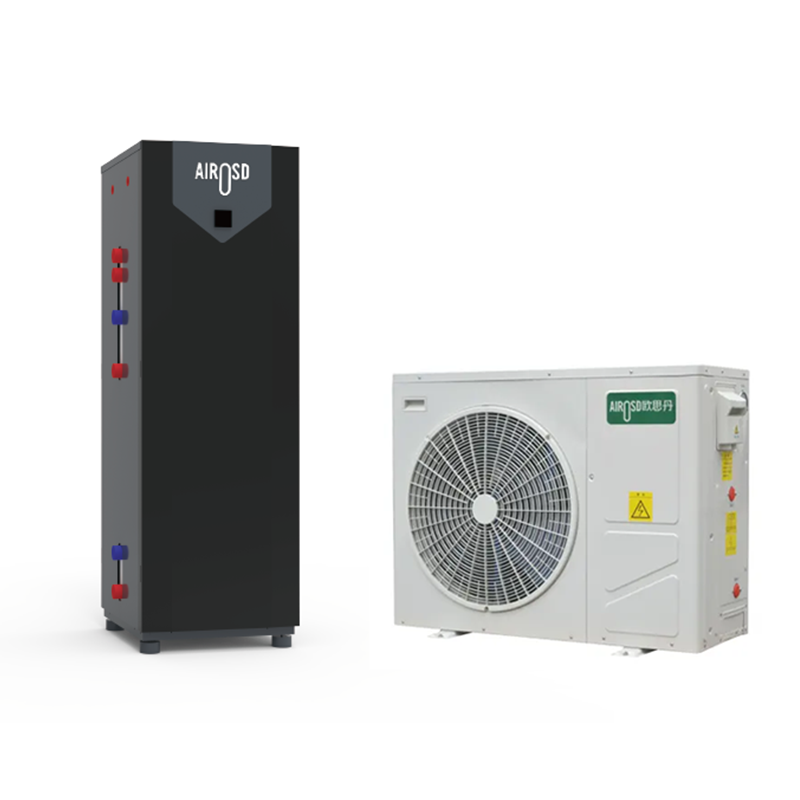
AIROSD Heat Pump Full Analysis: Air Source, Water Source, and Ground Source Heat Pump Comparison
Under the global “dual-carbon” strategy, heat pump technology has become one of the most efficient solutions for energy conversion. Among all options, the Air source heat pump, water source heat pump, and ground source heat pump represent the three primary technical pathways.
As a professional brand with Italian technology heritage, AIROSD has focused on innovation for years. Its advanced Air source heat pump technology, especially in cooling and heating heat pump and swimming pool heat pump applications, has gained strong recognition across more than 70 countries.
This article provides a deep comparison of these three systems, helping users make the right choice.
1. Air Source Heat Pump: Mature Technology with Wide Applications
The Air source heat pump is AIROSD’s core product and the most widely used solution globally. It plays a central role in both cooling and heating heat pump systems and swimming pool heat pump applications.
Advantages of Air Source Heat Pump
1. Excellent low-temperature performance
AIROSD’s Air source heat pump integrates EVI (Enhanced Vapor Injection) and full DC inverter technology. This allows stable operation from -40°C to 46°C. Even in extreme climates, the Air source heat pump ensures reliable heating performance.
2. High efficiency and low operating cost
Compared with traditional systems, the Air source heat pump delivers significantly higher energy efficiency. When used in a cooling and heating heat pump, it reduces energy consumption by over 30%.
3. Superior comfort with water systems
The cooling and heating heat pump based on an Air source heat pump provides radiant floor heating in winter and gentle cooling in summer, improving indoor comfort.
4. Intelligent control
Modern Air source heat pump systems include smart AI control and remote monitoring, ensuring efficient system management.
Disadvantages of Air Source Heat Pump
Performance of the Air source heat pump may fluctuate with outdoor temperature.
Frosting may occur in humid climates, though AIROSD minimizes this with intelligent defrosting.
2. Water Source Heat Pump: High Efficiency but Limited by Conditions
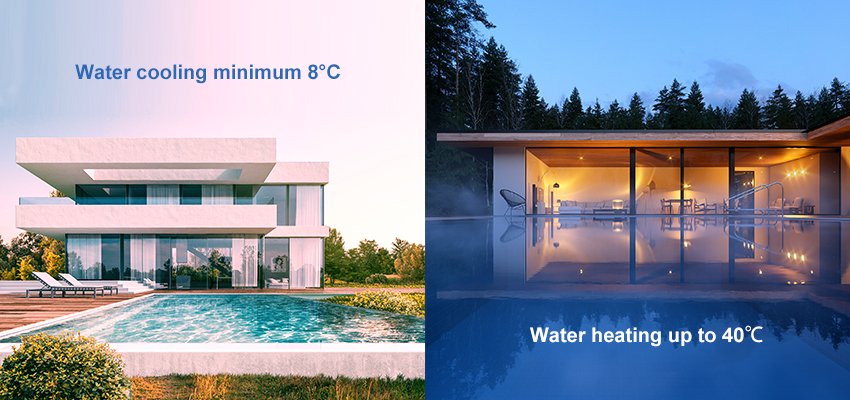
The water source heat pump uses groundwater or surface water as a heat exchange medium. Compared to the Air source heat pump, it offers higher efficiency.
Advantages of Water Source Heat Pump
1. Extremely high efficiency
The water source heat pump benefits from stable water temperatures, achieving higher COP than an Air source heat pump.
2. Stable operation
Unlike the Air source heat pump, the water source heat pump is not affected by air temperature fluctuations.
Disadvantages of Water Source Heat Pump
Requires access to water resources and government approvals
Higher installation and maintenance cost than an Air source heat pump
3. Ground Source Heat Pump: Ultimate Efficiency with High Investment
The ground source heat pump uses underground soil or rock for heat exchange. It is often considered the most efficient system.
Advantages of Ground Source Heat Pump
1. Maximum energy efficiency
The ground source heat pump operates in stable underground temperatures, outperforming both Air source heat pump and water source heat pump systems.
2. Long lifespan
Compared to an Air source heat pump, the ground source heat pump system lasts significantly longer.
Disadvantages of Ground Source Heat Pump
Very high upfront cost
Complex installation requirements
Not suitable for existing buildings without space
4. Swimming Pool Heat Pump: AIROSD’s Specialized Innovation
The swimming pool heat pump is one of AIROSD’s most competitive solutions, built on advanced Air source heat pump technology.
Key Advantages of Swimming Pool Heat Pump
1. Multi-functional integration
The swimming pool heat pump integrates heating, dehumidification, and air conditioning, achieving a COP above 10.0.
2. Ultra-low temperature operation
AIROSD’s swimming pool heat pump works efficiently even at -35°C, outperforming standard Air source heat pump systems.
3. Corrosion resistance
Using titanium heat exchangers, the swimming pool heat pump ensures long-term durability.
4. Smart temperature control
AI-based systems allow the swimming pool heat pump to maintain optimal water temperature automatically.
5. Cooling and Heating Heat Pump: All-in-One Comfort Solution
The cooling and heating heat pump is another flagship application of the Air source heat pump.
Key Advantages of Cooling and Heating Heat Pump
1. Three-in-one system
The cooling and heating heat pump integrates heating, cooling, and domestic hot water.
2. Full DC inverter technology
This cooling and heating heat pump system improves efficiency by over 30% compared to conventional units.
3. Eco-friendly refrigerant
Modern cooling and heating heat pump systems use R290 refrigerant, aligning with global sustainability goals.
4. High efficiency certification
AIROSD’s cooling and heating heat pump meets top European energy standards.
Conclusion and Selection Guide
For cold climates:
The Air source heat pump, especially in a cooling and heating heat pump, is the most practical solution.
For swimming pool projects:
The swimming pool heat pump offers the best performance and durability.
For maximum efficiency with high budget:Consider water source heat pump or ground source heat pump systems.
Overall, the Air source heat pump remains the most balanced choice due to its flexibility, cost-effectiveness, and wide application range. With advanced technology integrated into both cooling and heating heat pump and swimming pool heat pump solutions, AIROSD continues to lead innovation in the global heat pump industry.
