

Air Source Heat Pump Triple-Supply: The Intelligent Choice for Modern Energy Efficiency
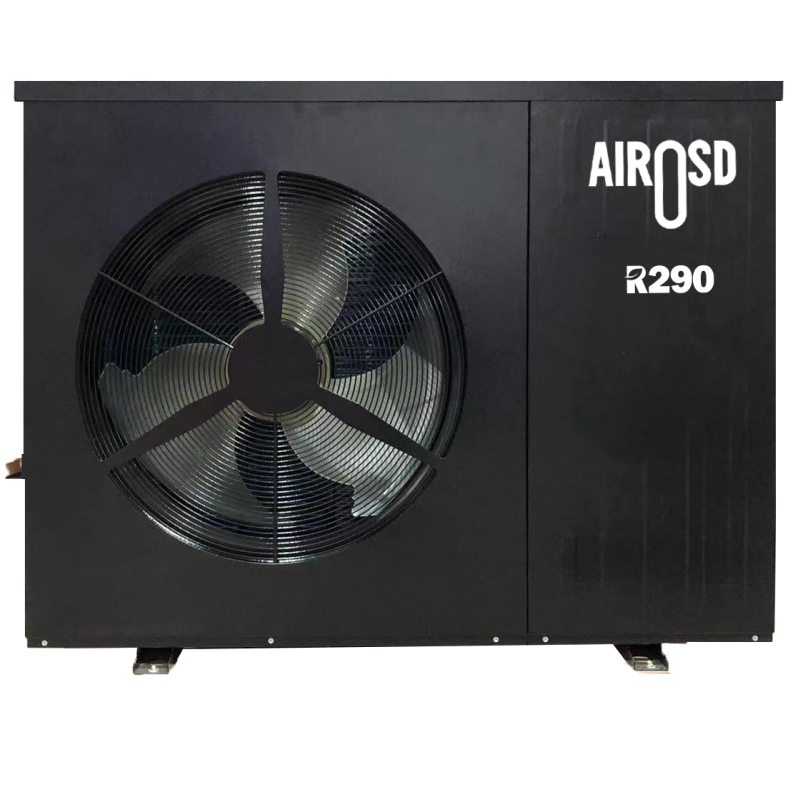
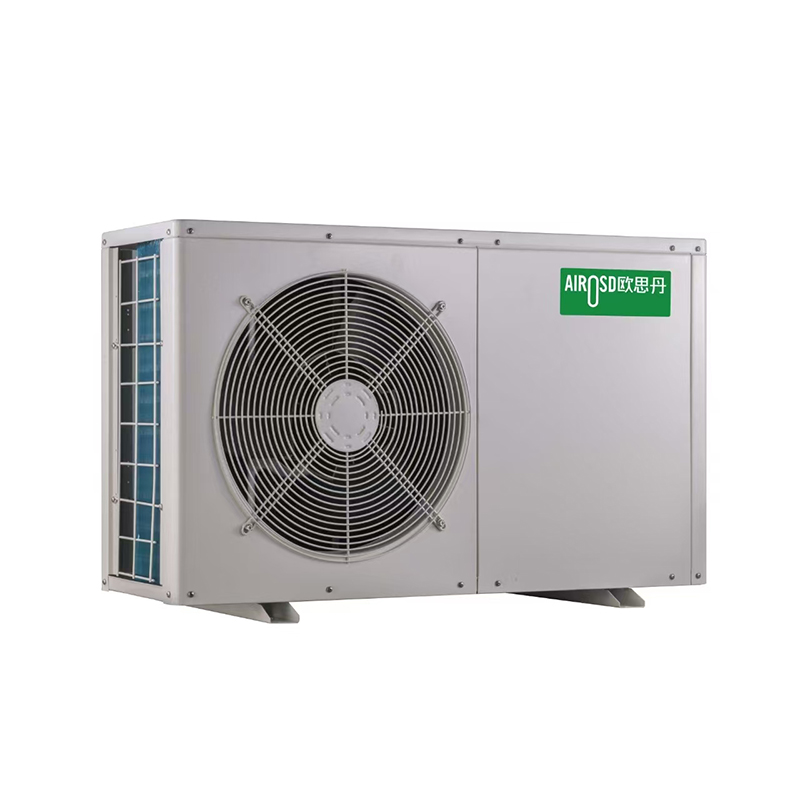
Air source heat pump triple-supply systems represent an advanced solution for modern building energy management, integrating heating, cooling, and domestic hot water into a single, efficient platform. As global concerns over energy efficiency and carbon emissions continue to grow, the Air source heat pump has evolved from a niche technology into a mainstream choice for both residential and commercial buildings. By utilizing ambient air as a renewable heat source, this system offers a balanced combination of performance, sustainability, and operational flexibility. The integration of Heat pump technology enables these systems to deliver exceptional efficiency across diverse climatic conditions.
Principles and Thermodynamic Fundamentals
An Air source heat pump operates based on Heat pump technology and the reverse Carnot cycle. Core components include a compressor, evaporator, condenser, and expansion valve, which work together to transfer thermal energy from outdoor air into usable heating or cooling. In Heating heat pump mode, the system extracts heat from the air and delivers it indoors for space heating and hot water production. In Refrigeration heat pump mode, the cycle reverses, removing indoor heat and releasing it outdoors to provide cooling and dehumidification. Advances in Heat pump technology, such as inverter-driven compressors and high-efficiency heat exchangers, have significantly improved Air source heat pump performance across a wide range of operating conditions.
The Concept of Triple Supply
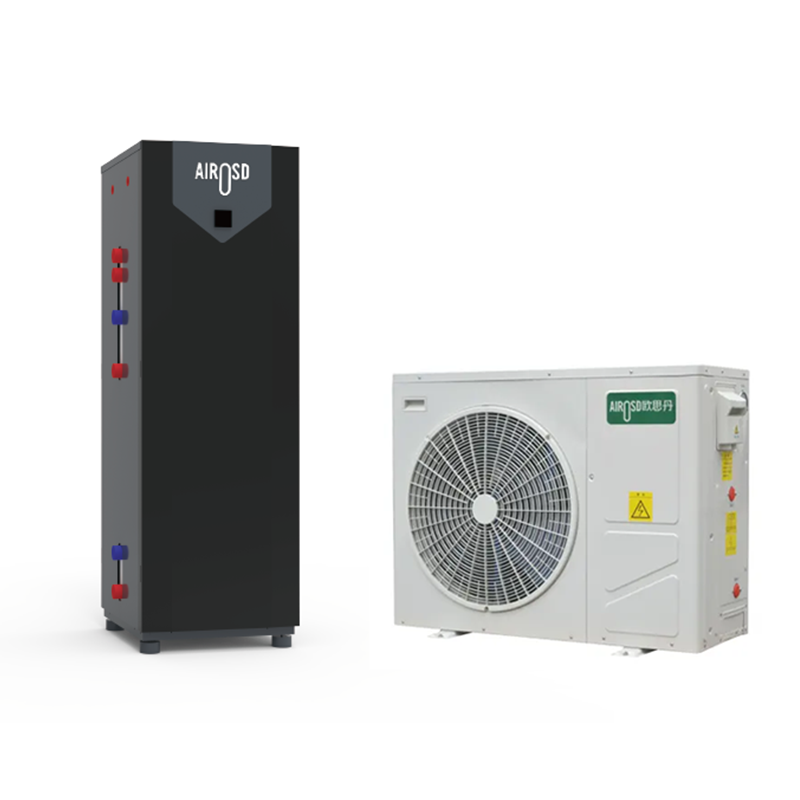
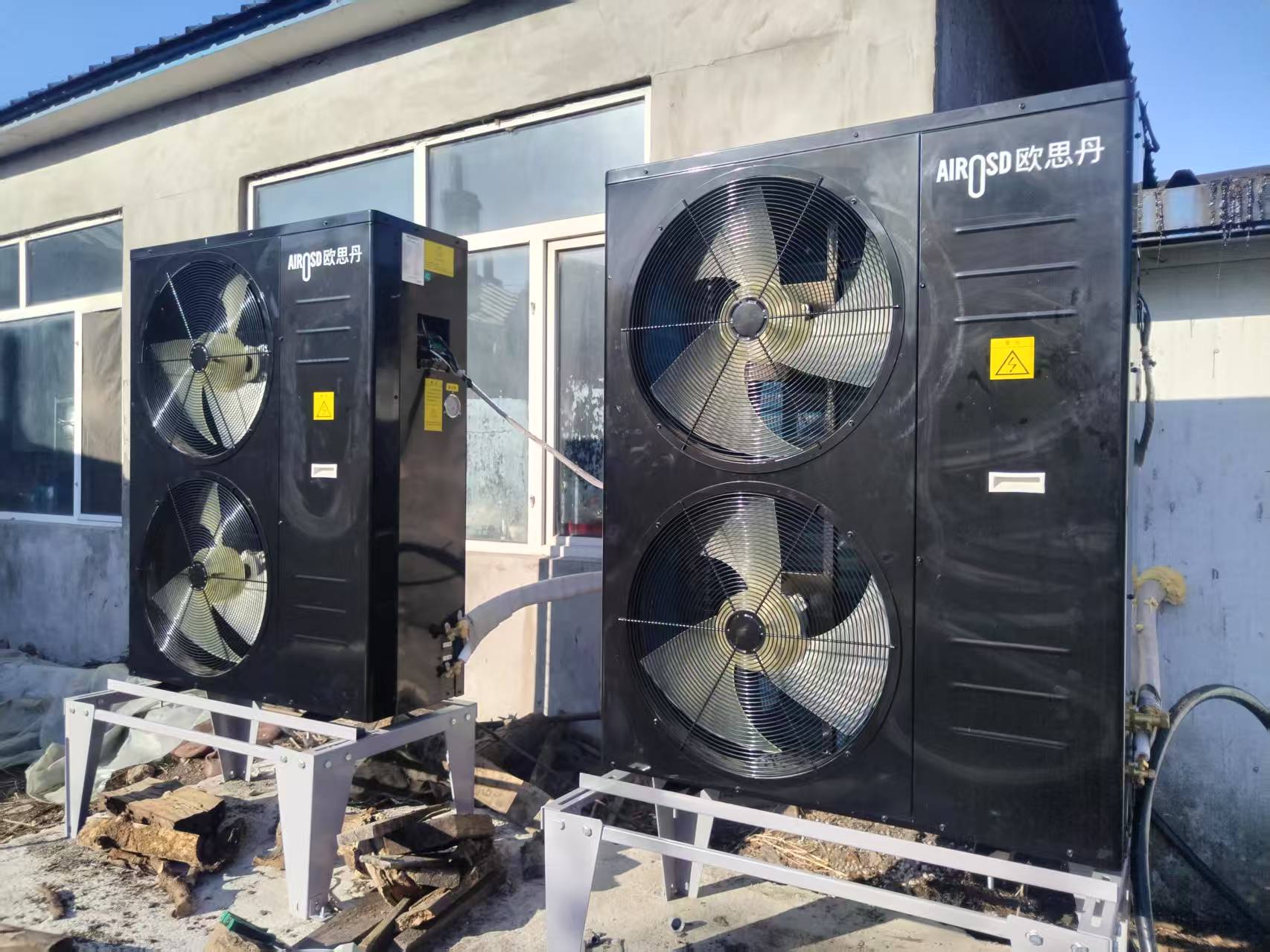
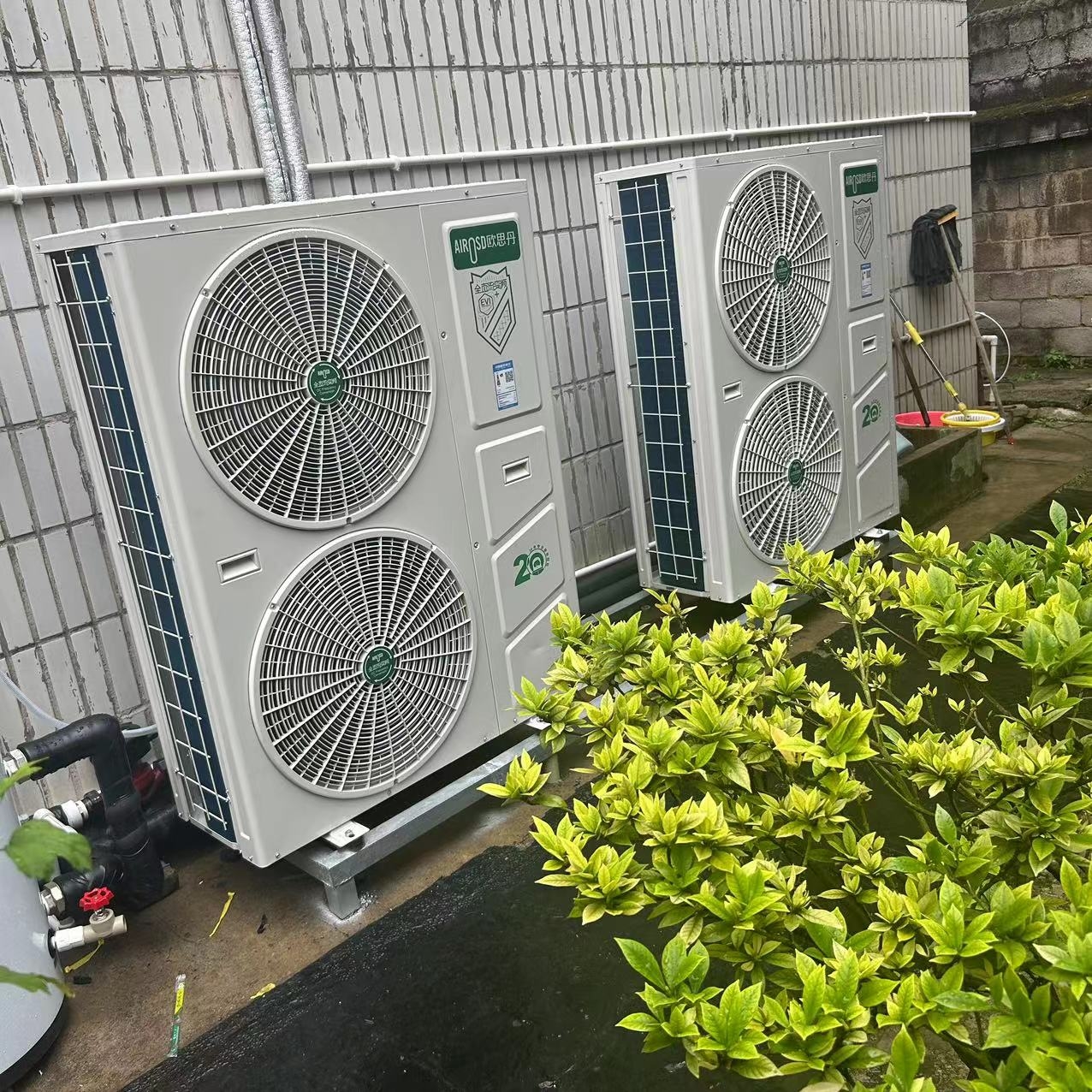
Triple supply, commonly referred to as a Triple heating pump system, combines space heating, space cooling, and domestic hot water production into one integrated energy solution. A typical Triple heating pump configuration includes a high-efficiency outdoor Air source heat pump unit, hydraulic modules with circulation pumps and buffer tanks, domestic hot water storage, terminal units such as underfloor heating or fan coils, and an intelligent control system. This integrated Heat pump technology design reduces equipment redundancy, saves installation space, and lowers overall lifecycle costs. The Triple heating pump approach exemplifies the versatility of modern Heat pump technology.
Operating Modes and Intelligent Control
A Triple heating pump system supports multiple operating modes to adapt to seasonal and daily demand. During winter, the Heating heat pump mode delivers stable indoor warmth while maintaining hot water supply. In summer, the Refrigeration heat pump mode ensures efficient cooling. When domestic hot water demand increases, the system can activate a hot water priority function before automatically returning to space conditioning. Intelligent control strategies, including weather compensation and load balancing, allow the Air source heat pump system to operate efficiently with minimal user intervention, maximizing the benefits of modern Heat pump technology.
Key Technical Advantages
Recent technological developments have greatly enhanced Air source heat pump performance. Variable-speed inverter Heat pump technology enables precise capacity control, improving part-load efficiency. Enhanced vapor injection and optimized refrigerant management strengthen Heating heat pump operation in cold climates. Improved defrost algorithms and hydraulic system optimization ensure reliable year-round operation for Refrigeration heat pump and Heating heat pump functions. Together, these innovations allow Triple heating pump systems to achieve significantly higher seasonal efficiency than conventional solutions. The continuous evolution of Heat pump technology is critical to these advancements.
Energy Efficiency and Environmental Benefits
By consolidating heating, cooling, and hot water into a single system, the Triple heating pump approach reduces energy losses and improves overall efficiency. When powered by low-carbon electricity, Air source heat pump systems can dramatically lower greenhouse gas emissions compared to fossil-fuel-based heating. The integration of renewable energy sources, such as photovoltaic systems, further enhances the sustainability of Heat pump technology. Both Heating heat pump and Refrigeration heat pump modes benefit from these environmental advantages, making the Triple heating pump a cornerstone of green building design.
Applications and Future Outlook
Triple heating pump systems are well suited for residential buildings, hotels, offices, and mixed-use developments, particularly where year-round comfort and high hot water demand are required. Looking ahead, the integration of Heat pump technology with digital controls, IoT platforms, and predictive algorithms will make these systems even smarter and more adaptive. Continued innovation in refrigerants and materials will further expand Air source heat pump performance limits and application scenarios. The future of Heating heat pump and Refrigeration heat pump systems lies in smarter, more integrated Triple heating pump solutions.
Conclusion
Air source heat pump triple-supply systems represent a practical and future-oriented solution for modern buildings. By seamlessly combining Refrigeration heat pump, Heating heat pump, and domestic hot water functions within a single Triple heating pump framework, these systems deliver high comfort, excellent energy efficiency, and reduced environmental impact. As Heat pump technology continues to advance, Triple heating pump systems will play an increasingly important role in the global transition toward low-carbon and sustainable buildings. The ongoing development of Air source heat pump systems ensures they remain at the forefront of energy-efficient Heat pump technology.
