• Do heat pumps consume a lot of electricity?
    Heat pumps transport ambient heat via air source or geothermal systems, achieving COPs of 4.0–5.0 and using up to 60 % less electricity than electric heaters. Performance varies with outdoor temperature, system design, and maintenance. Smart controls, hybrid setups, and regular servicing optimize efficiency. Payback is 3–5 years (air source) or 5–8 years (geothermal). With lower emissions and long‑term savings, heat pumps offer a green, cost‑effective HVAC solution.
    2025-07-04
    More
  • Can You Use a Heat Pump for Both Heating and Cooling?
    Heat pumps can both heat and cool by reversing a thermodynamic cycle to transfer heat. With COPs of 3–5, they deliver eco‑friendly dual‑function efficiency. Types include air‑, water‑, and ground‑source (geothermal heating) models integrated into geothermal heating systems. Widely used in homes, commercial, and green buildings, they cut energy costs and emissions, providing year‑round comfort.
    2025-06-30
    More
  • Can a heat pump be used for both heating and cooling?
    Heat pumps reverse a refrigeration cycle to heat in winter and cool in summer, providing year-round comfort. Air-source heat pump HVAC systems use much less energy than electric resistance or separate AC/heating. Multi-zone configurations allow simultaneous heating and cooling in different areas. Though upfront costs are higher, incentives and energy savings provide payback and reduce carbon footprint when powered by renewables.
    2025-08-29
    More
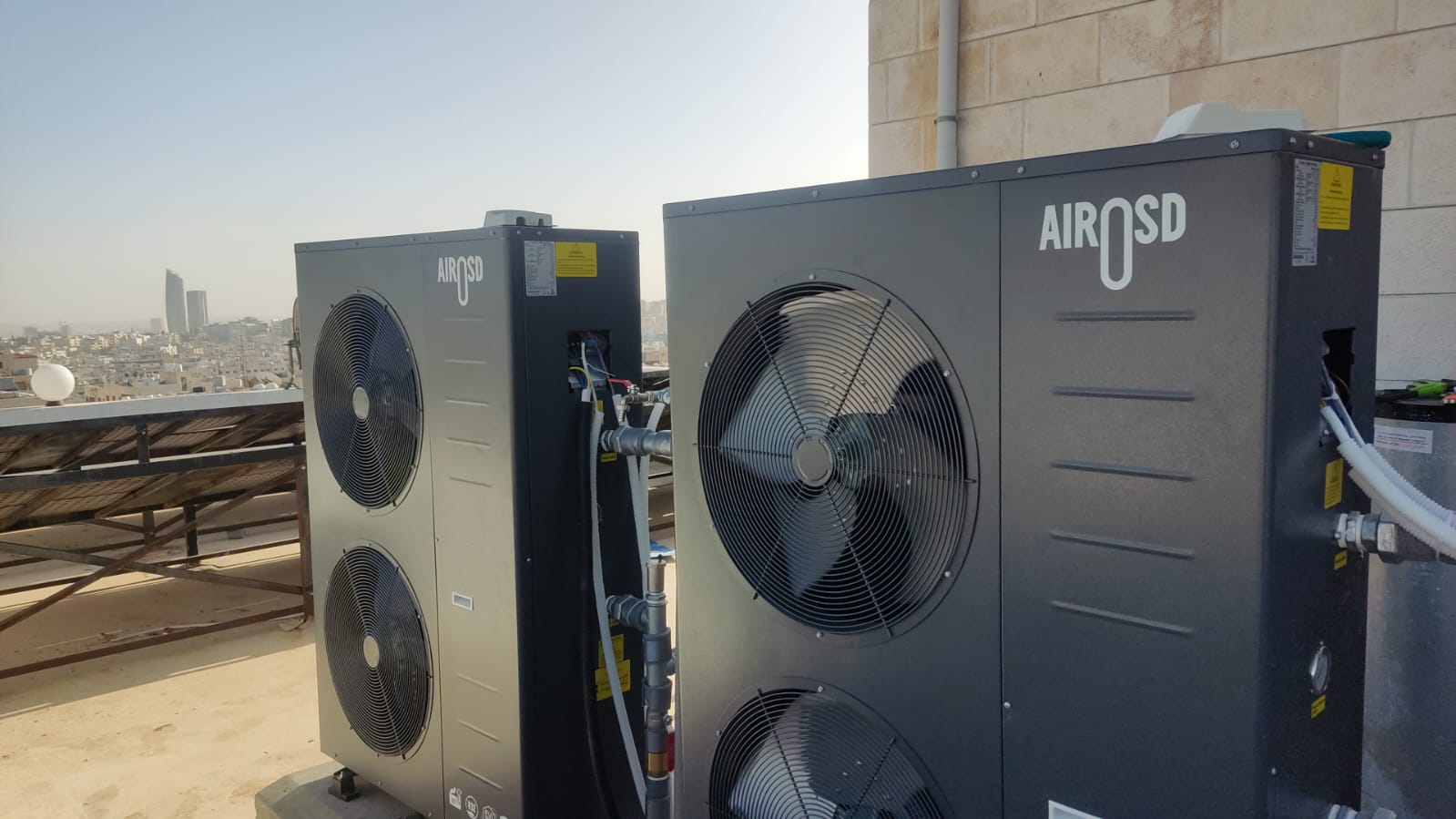
  • AIROSD heat pump Taking Root in the Borderlands
    AIROSD’s air source heat pump provides reliable heating in Xinjiang’s harsh climate of cold, sandstorms, and temperature swings. Using four technologies—EVI ultra-low-temp heating to −40 °C, AI-driven defrosting, V-type evaporator for sand resistance, and AI smart control—AIROSD ensures stable, efficient heating. Installed in 120 + public buildings, it champions green heating in high-cold areas.
    2025-06-09
    More
  • Floor heating heat pump leads a new era of heating
    Heat pump floor-heating units extract ambient heat from air, water, or ground, compress it, and release warmth through subfloor exchangers. Achieving COPs of 3–4, they slash campus heating energy and CO₂ by over 30%. Equipped with smart scheduling, they operate reliably down to –25 °C and deliver uniform 35–45 °C warmth. Widely adopted in retrofits, they offer safe, efficient campus heating.
    2025-06-01
    More
  • Why are heat pumps getting so much attention?
    Heat pumps are attracting considerable attention due to their remarkable advantages. A heat pump is an efficient energy conversion device that transfers low-grade thermal energy from the environment into high-temperature heat, working similarly to refrigerators but in reverse for heating. It operates by compressing and expanding refrigerant in a cyclic process. This enables it to transfer a large amount of environmental heat with minimal electricity, providing both heating and cooling, thus being highly energy-efficient. Compared to traditional heating and cooling methods, heat pumps can generate 3 - 4 times more heat energy than the electricity they consume, reducing energy use by up to 50%. They are applicable in various scenarios: heating by extracting heat from the outdoors, cooling by reversing the operation, and heating domestic water with significant energy savings.
    2025-05-26
    More

Get the latest price? We will reply as soon as possible (within 12 hours)